At iGreen, we recognize that food packaging is more than just a means of preserving product integrity; it’s an opportunity to shape consumer perceptions and contribute to a more sustainable future. As the food industry evolves, our commitment to eco-friendly practices drives us to stay ahead of the latest packaging trends.
As we navigate the evolving landscape of the food industry, our commitment to sustainability drives us to explore not only traditional raw materials like GC1 FBB and GZ1 SBS but also innovative alternatives that redefine packaging. Here’s how we leverage cutting-edge materials, including cellulose film, to meet current packaging trends.
Sustainability is central to our packaging strategy at iGreen. As consumer awareness of environmental issues rises, we prioritize eco-friendly raw materials. Our traditional options, such as GC1 FBB and GZ1 SBS, are designed with sustainability in mind, ensuring effective performance with minimal environmental impact.
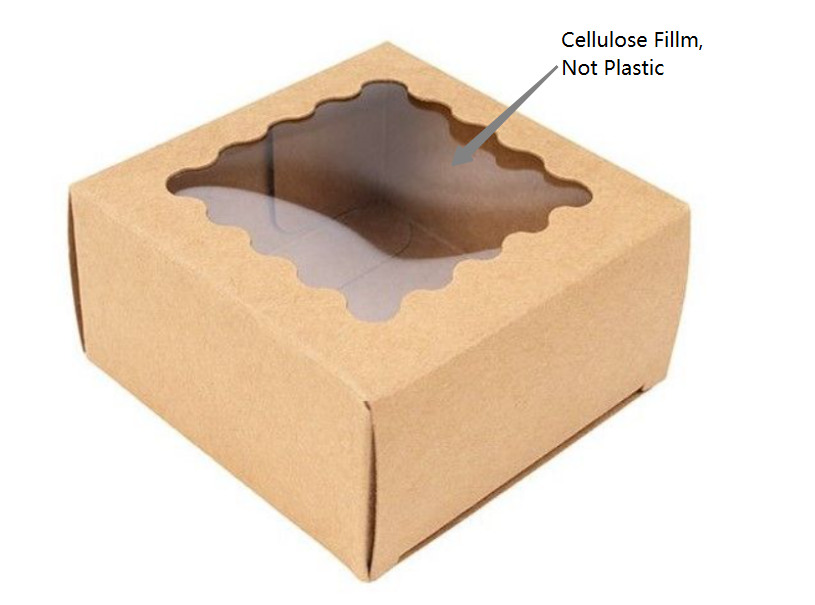
We are also excited about the potential of cellulose film, a groundbreaking alternative to conventional transparent plastics. Made from renewable resources, cellulose film not only reduces reliance on fossil fuels but also offers excellent transparency and barrier properties, making it an ideal choice for various packaging applications.
Consumers today crave personalization, and food packaging is no exception. Brands are increasingly offering customizable packaging options, allowing consumers to engage with products in unique ways. From personalized labels for special occasions to limited-edition packaging designs, customization creates a sense of ownership and connection with the product.
This trend is particularly popular in the beverage industry, where companies like Coca-Cola have successfully launched campaigns that encourage consumers to find their names on bottles. Such personalized experiences can enhance brand recognition and customer loyalty.
As health-conscious eating becomes more prevalent, packaging that communicates health benefits is on the rise. Clear labeling of nutritional information, ingredient sourcing, and health claims are crucial in attracting consumers. Packaging that emphasizes organic, non-GMO, and allergen-free options can significantly influence purchasing decisions.
Additionally, brands are using packaging to tell their sustainability stories, highlighting practices like ethical sourcing and eco-friendly production methods. This messaging resonates with consumers looking to make informed choices about the food they consume.
With the rise of e-commerce, the visual appeal of packaging has never been more critical. Eye-catching designs that stand out on digital platforms are essential for attracting consumers’ attention. Bold colors, unique shapes, and engaging graphics can create a memorable first impression.
Moreover, packaging design is evolving to include functionality that enhances user experience. Resealable pouches, easy-open lids, and portion-controlled packaging are becoming standard features that cater to convenience-oriented consumers.
The food packaging landscape is rapidly changing, driven by sustainability, technology, and consumer preferences. Brands that embrace these trends are better positioned to meet the demands of today’s eco-conscious and health-focused consumers. As we move forward, the integration of innovative solutions in packaging will not only enhance product value but also contribute to a more sustainable future in the food industry.
By staying ahead of these trends, companies can ensure they remain competitive in a crowded marketplace while making a positive impact on the environment and consumer well-being.


