


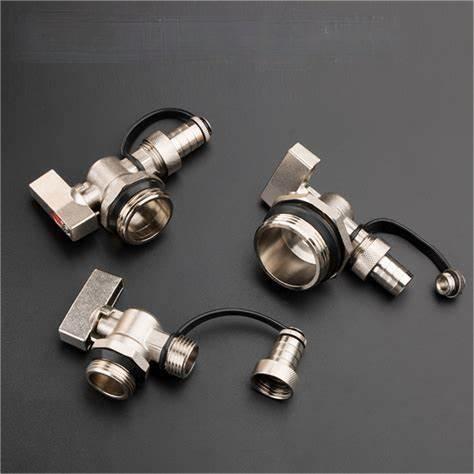
Drain valves are usually installed at key locations in pulp molding equipment, such as water discharge outlets after molds or forming machines.
Drainage Regulation: During the pulp molding process, it is necessary to regularly discharge wastewater or adjust the flow of water. Drain valves can control the opening and closing of drainage outlets to meet the needs of the production line.
Wastewater Treatment: Wastewater generated during the pulp production process needs to be discharged and treated promptly. Drain valves can help manage the discharge of wastewater to ensure the normal operation of wastewater treatment systems.
Cleaning and Maintenance: During the production process, equipment may need cleaning and maintenance from time to time. Through drain valves, water in pipes and equipment can be quickly emptied for cleaning and maintenance work.
Prevention of Blockages: Pulp may contain impurities or fibers, which can accumulate over time and lead to pipe blockages. By regularly draining water, drain valves can help reduce the risk of blockages and ensure the smooth operation of the production line.
It plays a crucial role in the pulp molding production line, used to control water flow, wastewater treatment, and equipment maintenance, thereby ensuring the normal operation of the production line.

